Genset Digest / Industrial Blowers & Process Air / Combustion blower
Combustion Blower
A combustion air blower is sized against a fuel, not against a duct, and it fails quietly. Here is the air requirement per fuel, the pressure range these duties actually work at, and why an undersized machine shows up as soot and carbon monoxide long before anyone suspects the air side.
A combustion air blower is the only machine in this section that is sized against a fuel rather than against a duct. The question it answers is how much air the burner needs at every point of its firing range, plus a margin, delivered at a pressure high enough to push through the burner nozzle and into a furnace that is already at positive pressure.
The arithmetic starts with the fuel. Natural gas needs roughly 9.5 cubic metres of air for every cubic metre of gas at stoichiometric conditions. Blast furnace gas, with a calorific value around a tenth of natural gas, needs well under one cubic metre of air per cubic metre of gas but a far larger volume of gas for the same heat. Coke oven gas sits between the two. A blower sized for one of them is wrong for the others, and plants that switch fuels seasonally have to size for the worst case rather than the usual one.
Pressure, and why it is higher than people expect
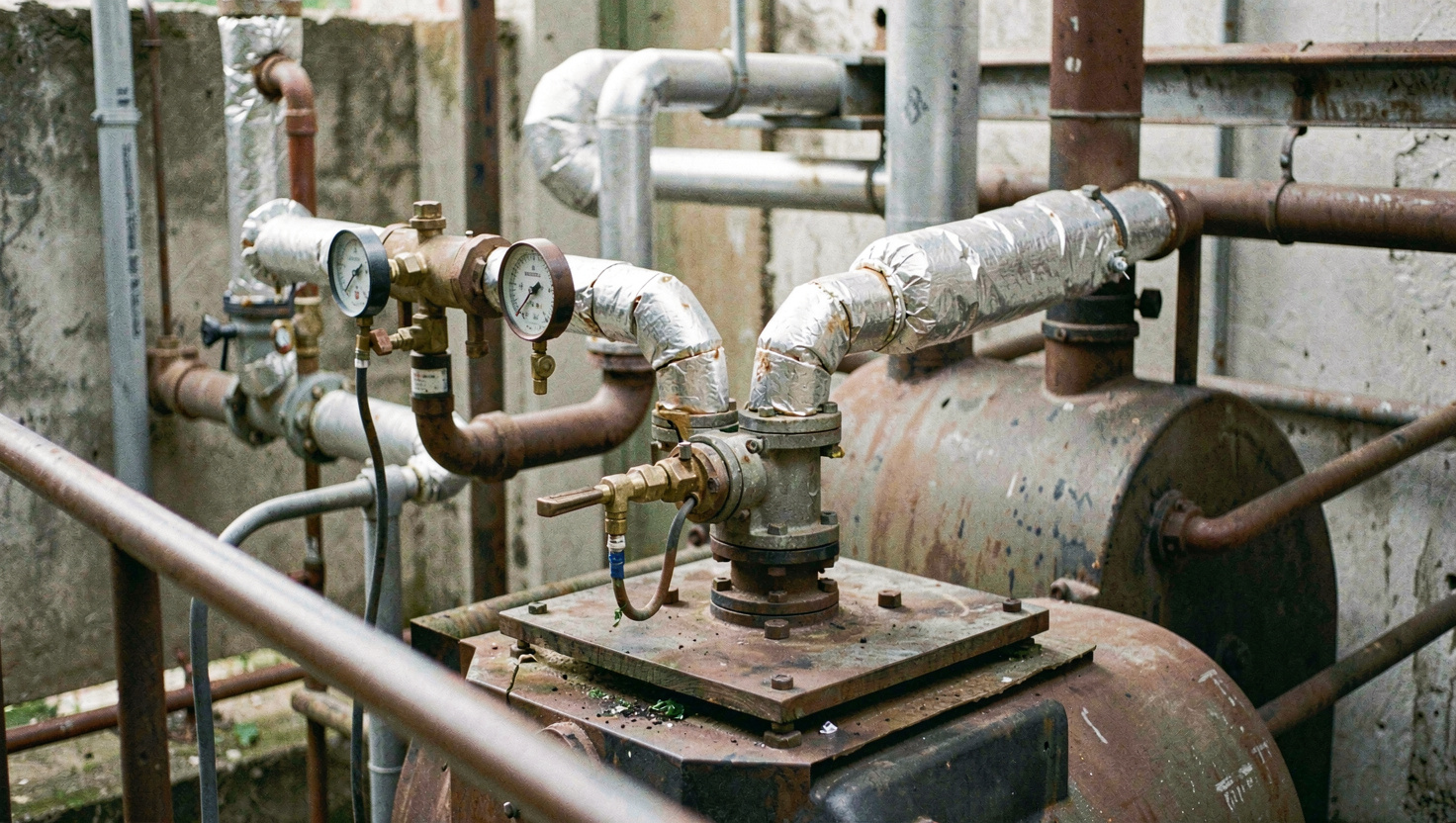
Furnace and stove combustion air duties commonly sit between 8 and 25 kilopascals, which is an order of magnitude above a cooling or dedusting duty. That pressure has to cover the burner pressure drop, the air preheater if one is fitted, the ductwork, the control valve and the furnace pressure itself. High-pressure single-stage centrifugal machines and multistage units both appear in this range, and the choice is usually decided by the turndown required rather than by the peak duty.
| Fuel | Approximate stoichiometric air | Note |
|---|---|---|
| Natural gas | 9.5 m3 air per m3 gas | High calorific value, small gas volume |
| Coke oven gas | 3.5 to 4.5 m3 air per m3 gas | Variable composition |
| Blast furnace gas | 0.6 to 0.8 m3 air per m3 gas | Low calorific value, very large gas volume |
| Light fuel oil | 10 to 11 m3 air per kg | Atomising air or steam also needed |
What undersizing actually looks like
This is the part that catches plants out. An undersized combustion air blower does not announce itself with a low airflow alarm. It announces itself as incomplete combustion: carbon monoxide in the flue, soot deposits in the stack and on the checker work, a flame that lengthens and darkens, and a slow loss of thermal efficiency that gets blamed on the refractory or the fuel supplier for months before anyone measures the air.
The reason is that the control system will usually keep the fuel valve position it was asked for. If the air cannot follow, the ratio goes rich and the furnace burns badly rather than stopping. Excess air of 5 to 15 per cent is normally targeted precisely so that ordinary variation never takes the mixture below stoichiometric, and an undersized blower eats that margin first.
Air to fuel ratio should be verified from measured flows and a flue gas analysis, not inferred from valve positions. A cross-limiting control scheme, which raises air before fuel on an increase and lowers fuel before air on a decrease, exists precisely because the two flows do not respond at the same speed.
Turndown and control
A burner that has to run at 20 per cent of full fire needs a blower that can deliver 20 per cent of the air at a stable pressure. Damper throttling can do it, inefficiently, until the machine approaches its surge line. A variable speed drive does it better and cheaper to run, but the pressure falls with the square of the speed, so a machine that is speed-controlled has to be selected with enough pressure at the low end rather than only at the design point.
The same control question, with different economics, runs through the dedusting blower page, where the fan runs continuously and the annual energy figure dominates the decision entirely.
Maintenance that keeps the ratio honest
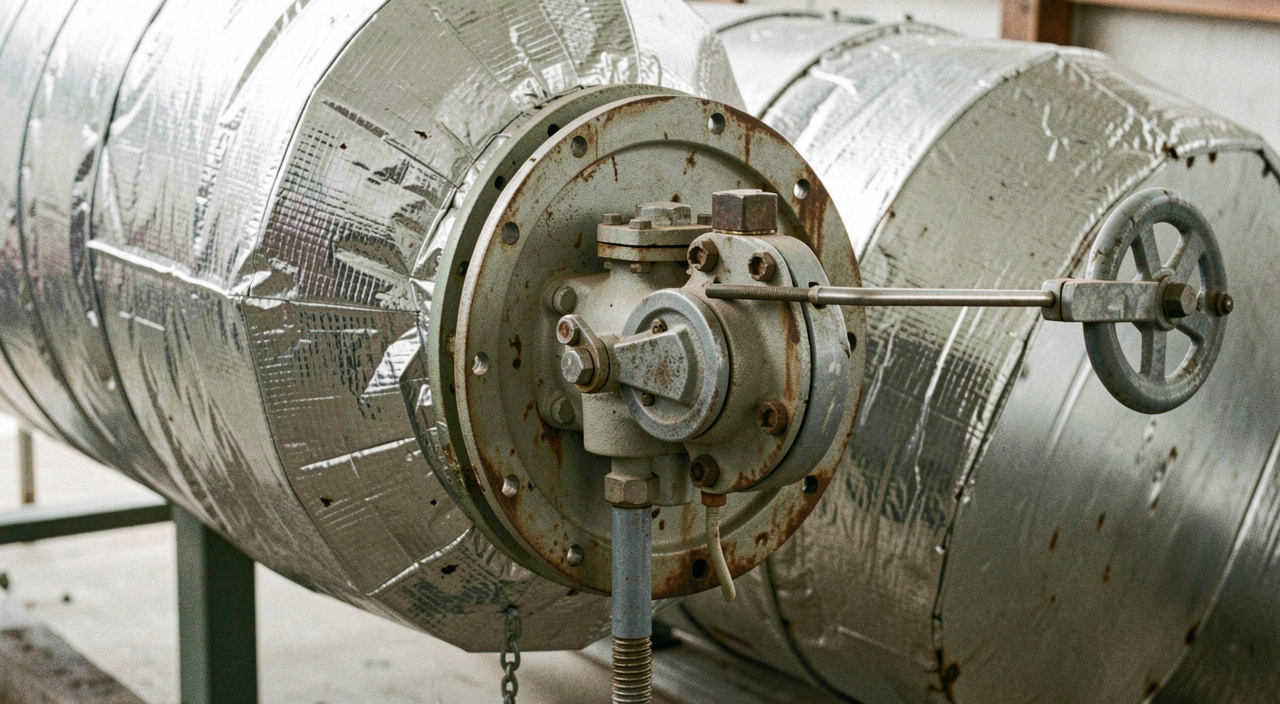
Three items drift and take the air ratio with them. The inlet filter or screen loads with dust and quietly reduces the volume. The drive belts, on belt-driven machines, slip and lose speed. And the damper or vane linkage develops play, so the commanded position and the actual position separate. All three are cheap to check and none of them raise an alarm, which is the same pattern seen across the machines in the industrial blower section and in the generating plant covered by the maintenance and operation guides.
Where a furnace and a generating plant share a site, the blower is frequently on the essential load list, which puts it into the standby sizing exercise described in the generator sizing method. A blower with a large motor started direct on line is exactly the kind of load that decides the size of a set.
Read next
For the continuously running, abrasive duty where energy cost dominates, read the dedusting blower page.
For the low-pressure cooling duty at the other end of the same plant, the Stelmor blower page covers wire rod line cooling.
If this blower is on the essential load list, the sizing method shows how its starting current shapes the generating set behind it, and the maintenance section covers the upkeep side.