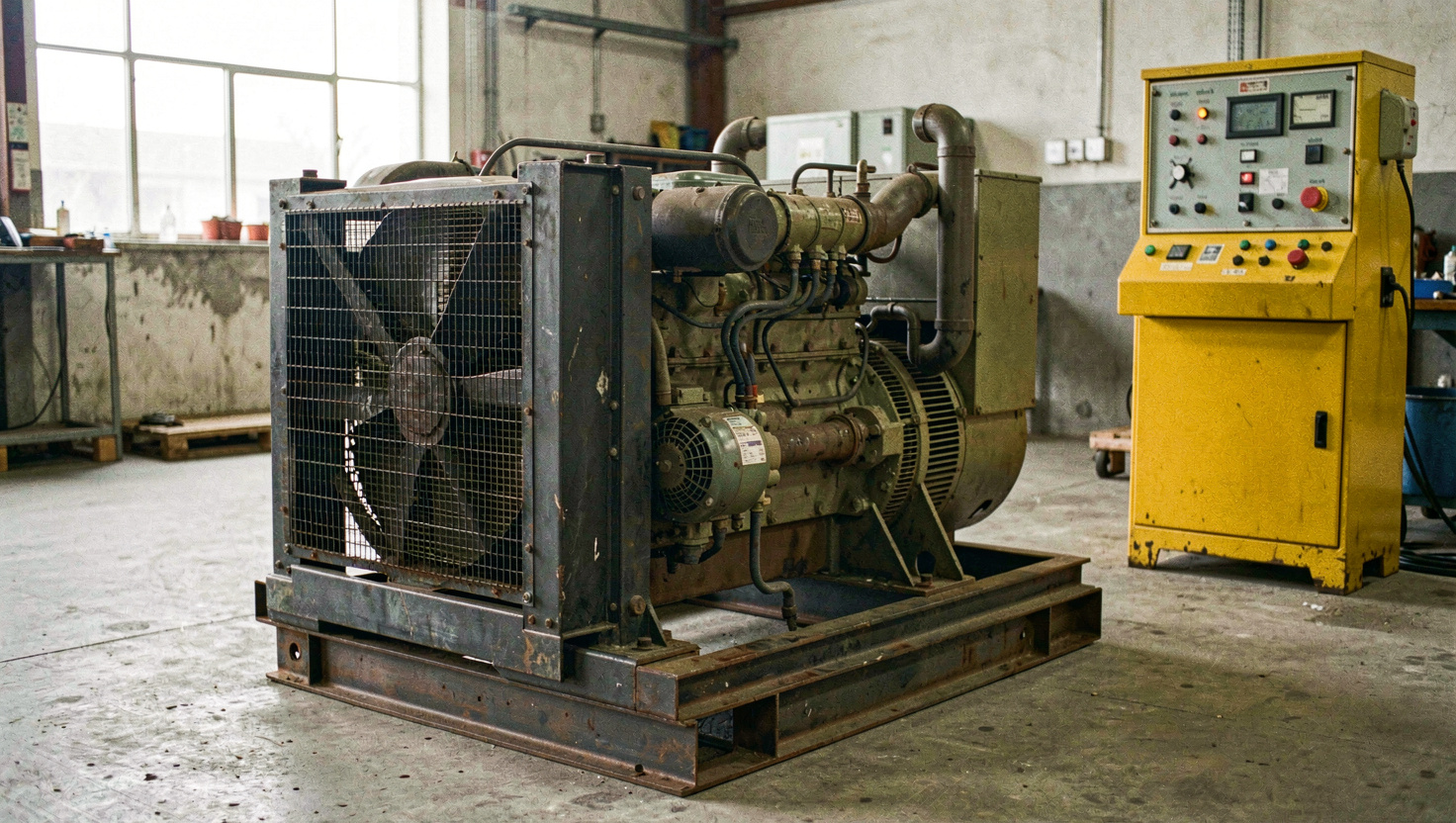
 Generator sets
Diesel Generator Sets
Ratings, power bands and the engine platforms behind them. The section starts with the duty classes because almost every argument about a set traces back to which one it was sold under.
Read the section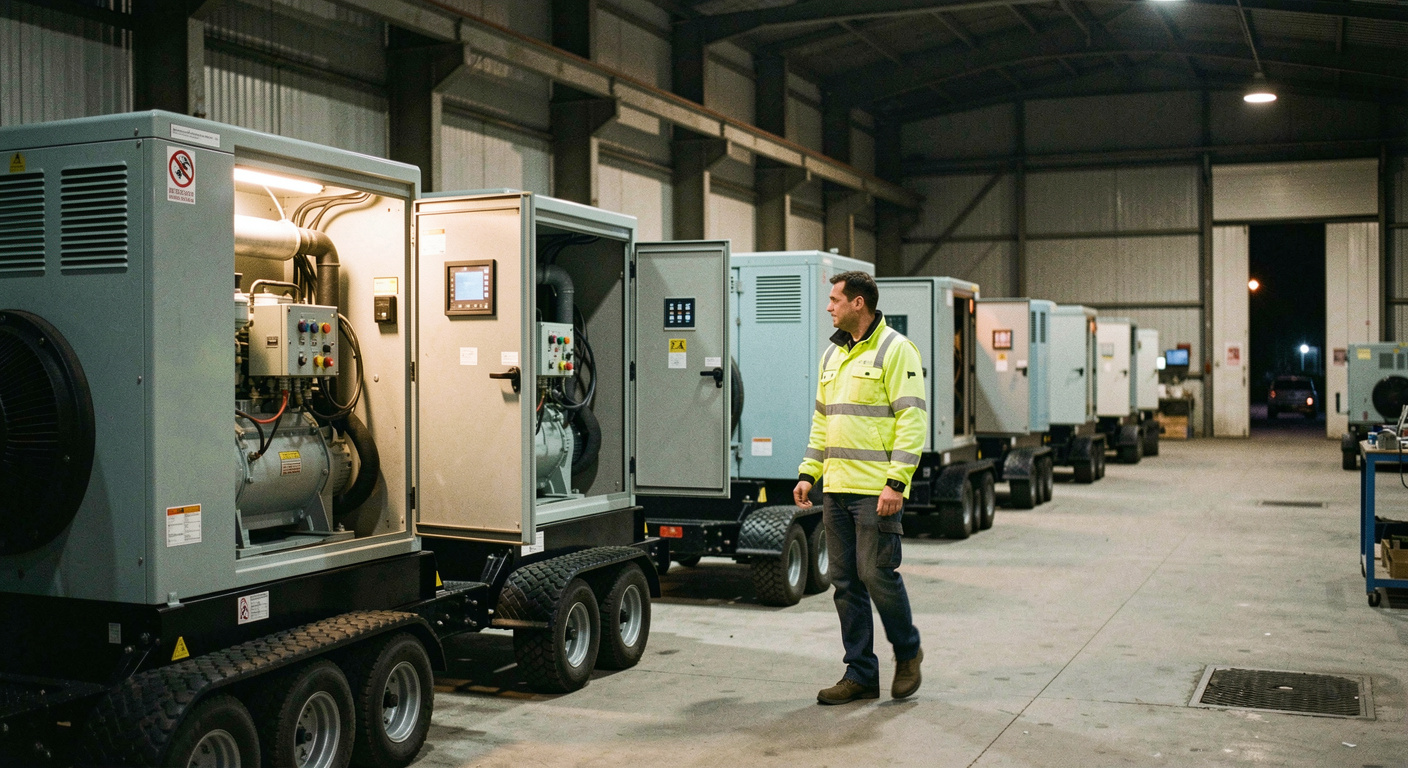
Technical magazine · issue in progress, August 2026
A generator set is judged on three lines of its data plate: the rating, the duty class it was sold under, and the ambient it was derated for. Everything else, canopy, controller, breaker, fuel polishing, follows from those three lines. Genset Digest exists to read them properly.
The same discipline runs through the second half of the magazine. Cooling, dedusting and combustion air machines are sized on pressure, gas condition and turndown, and they fail on bearings, filters and ductwork long before they fail on the impeller. Start with the method for sizing a set against a real load or go straight to load bank testing and wet stacking.
Two families of machine, diesel generating sets and industrial air movers, and five sections that serve them: installation profiles, maintenance practice, the standards and documents that follow a machine through its life, the industry news that changes what may be sold, and the documentation shelf.
Generator sets
Ratings, power bands and the engine platforms behind them. The section starts with the duty classes because almost every argument about a set traces back to which one it was sold under.
Read the section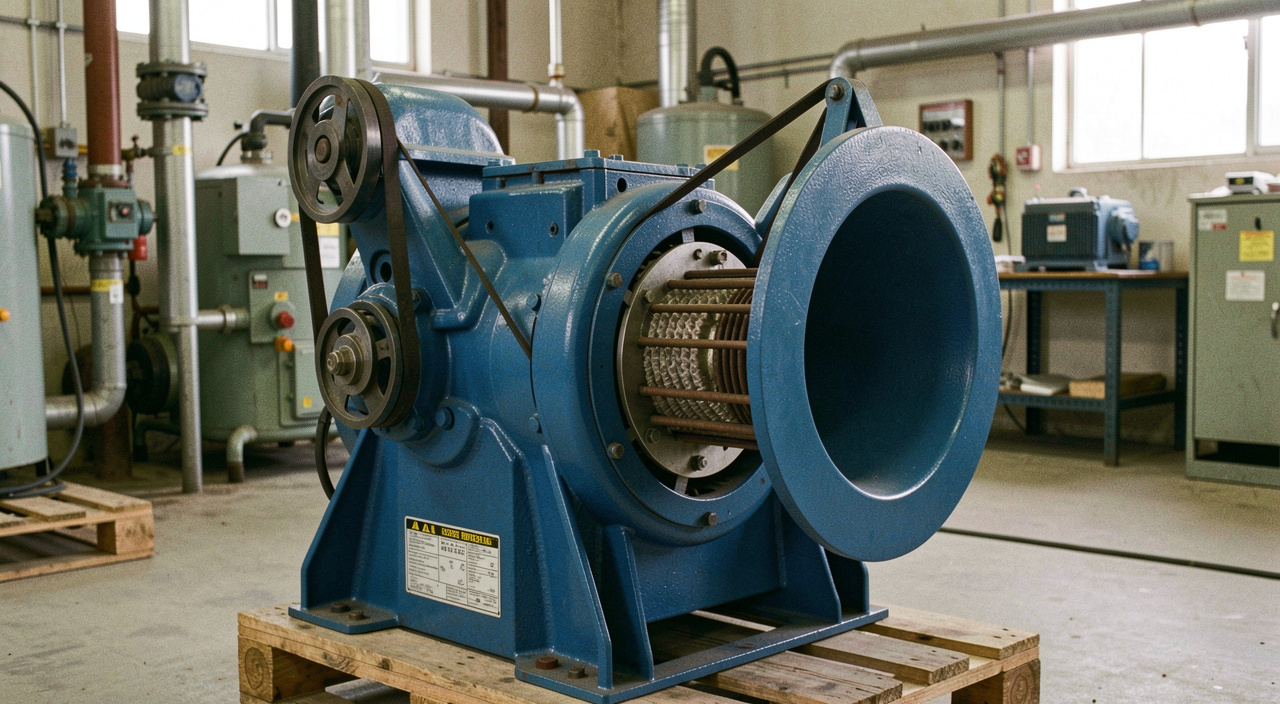 Blowers
Cooling, dedusting and combustion air are three different duties. Volume without pressure, pressure with abrasion, and pressure with a control loop attached to a fuel.
Read the section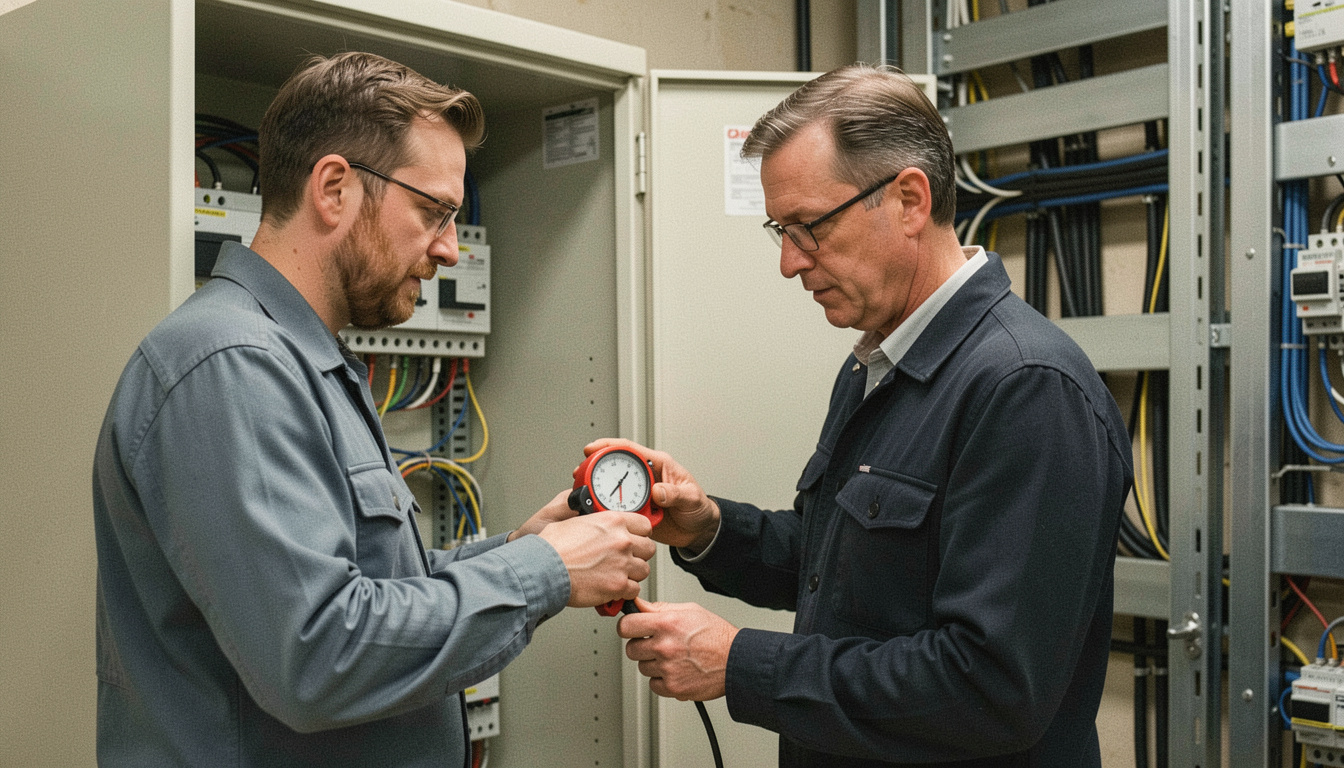 Installations
Installation profiles by equipment type: what a building standby set has to satisfy, what a prime power site has to carry in spares, what a blower retrofit has to fit into.
Read the section Maintenance
Schedules written the way a service engineer works: what is checked cold, what is checked on load, and what quietly ruins a machine that is never asked for real power.
Read the section Standards
What a rating plate must carry, what a test report should contain, and the difference between a certificate about an organisation and evidence about your machine.
Read the section News
News
Demand and specification trends, covered from the specification end: which duty class ends up in a tender, and what an emission category allows to be installed.
Read the section Resources
The documents a project actually needs, how to read a datasheet in the right order, and the one calculation a buyer should always produce themselves.
Read the section Generator sets
How ecological assessment shapes environmental planning in New England, from wetland delineation to local review and the field methods behind the maps.
Read the sectionDated as published. Each entry belongs to one section and links onward to the pages that carry its detail.
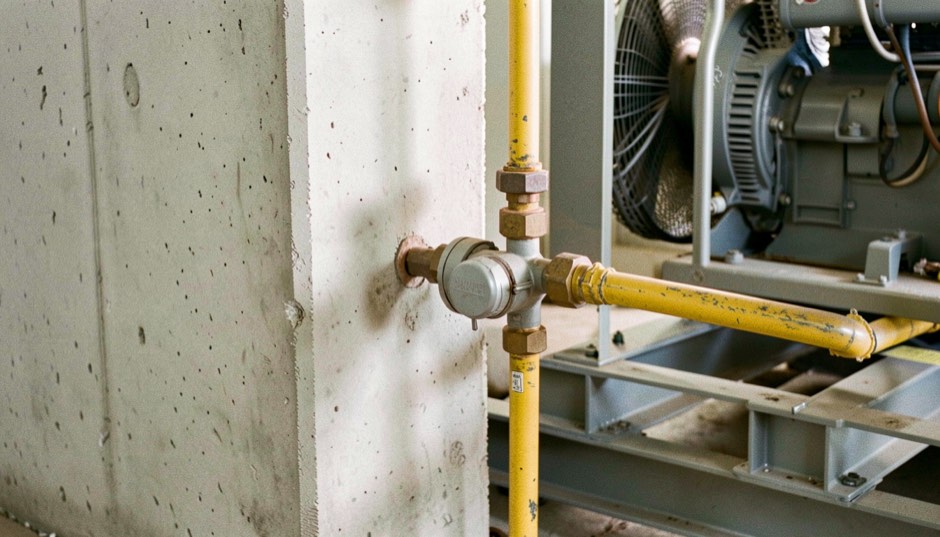
The same frame carries two ratings, one on propane and a lower one on natural gas. What a spark-ignited set gives up in load response, what the electrical code asks of a utility gas supply, and why stored fuel usually settles the choice.

Standby generation used to be retrofitted into whatever space was left near practical completion. Grid connection timescales and tenant requirements have moved the decision to design stage, and every constraint decided late costs output.
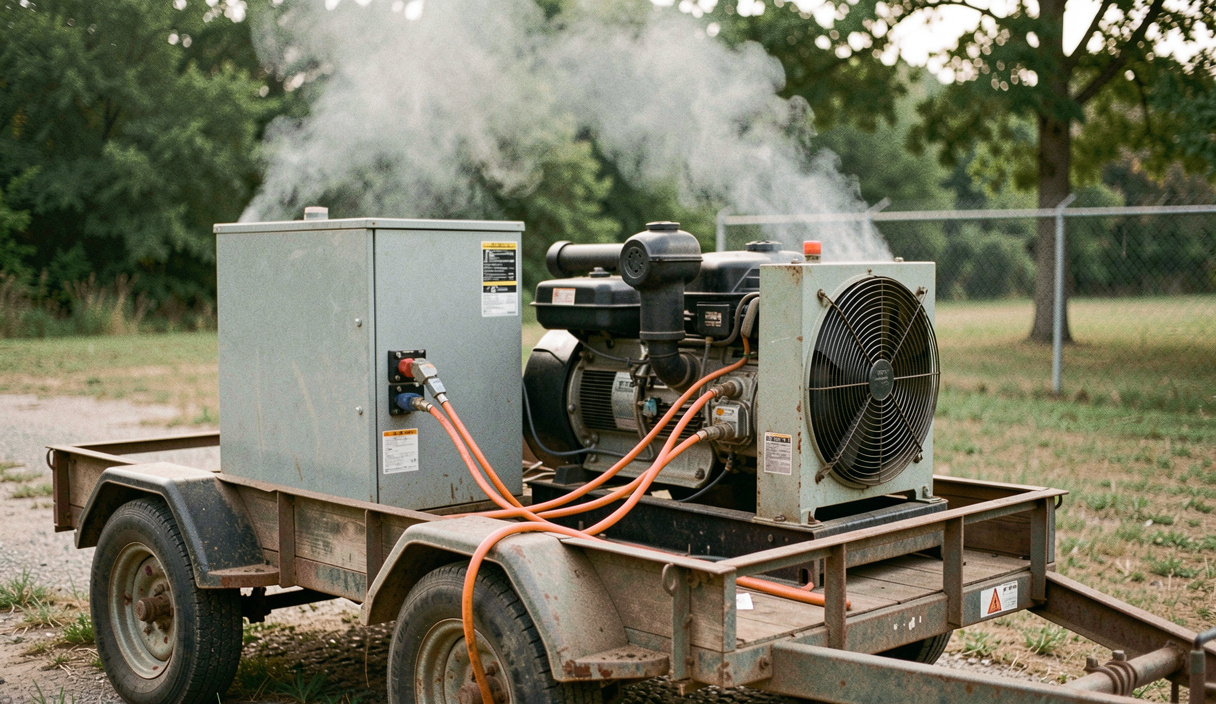
A standby set that only ever runs its monthly no-load exercise is being slowly damaged by that exercise. Why unburnt fuel accumulates below about 30 per cent load, and how a resistive load bank test is planned, staged and recorded.

It answers one useful question, whether the engine reaching the set builder came through the official channel. It says nothing about the build of the set, nothing about the rating, and nothing about your individual machine.

Management system certificates describe how an organisation works. Product standards describe what a machine must do. ISO 9001, ISO 8528, ISO 3046, IEC 60034 and the emission frameworks, each read for what it actually covers.
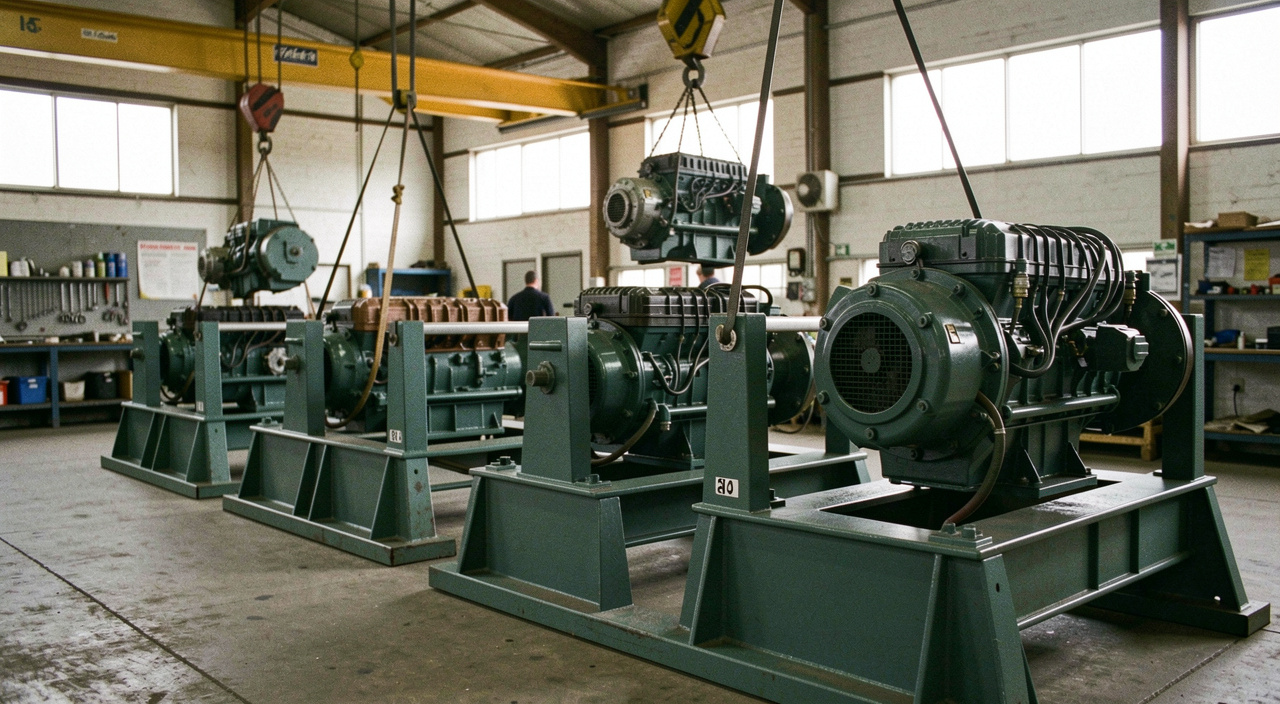
The engine came from an engine maker, the set was built by an assembler, the unit was sold by a distributor, and all three can be true at once. Which one you are talking to decides who pays when something fails.

Tanks fail slowly and then all at once. Where the water actually comes from, how corrosion and biological growth follow it, and the six checks in the order that saves pointless work on the injection system.

250 hours or one month, whichever comes first. On standby plant the calendar wins every time, and it wins while the hour meter still reads almost nothing. When a higher grade extends the interval, and why the filter comes out anyway.
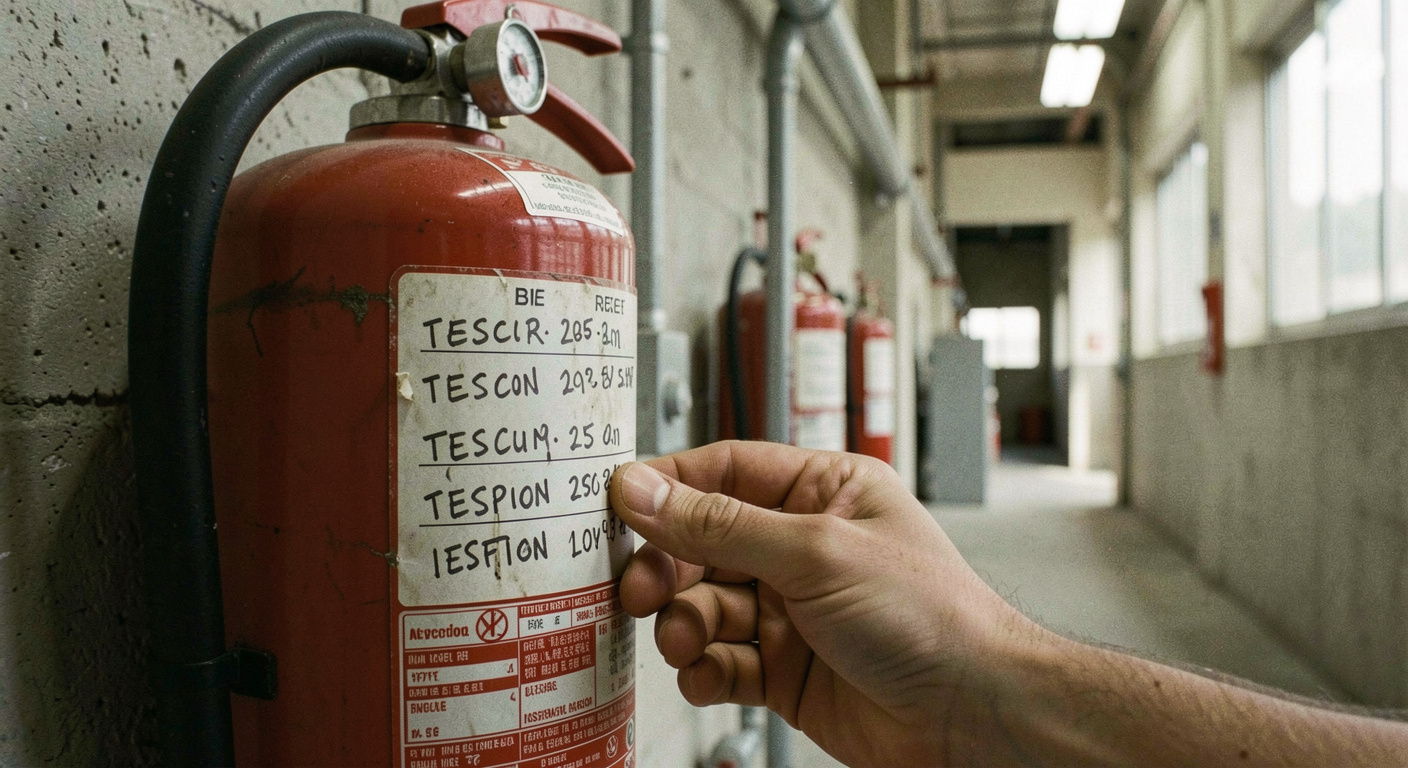
Stored diesel, exhaust surfaces above 400 degrees and a battery charging in a locked room. Which agent suits which risk, where the emergency stop and the fuel valve belong, and what the first thirty seconds should look like.
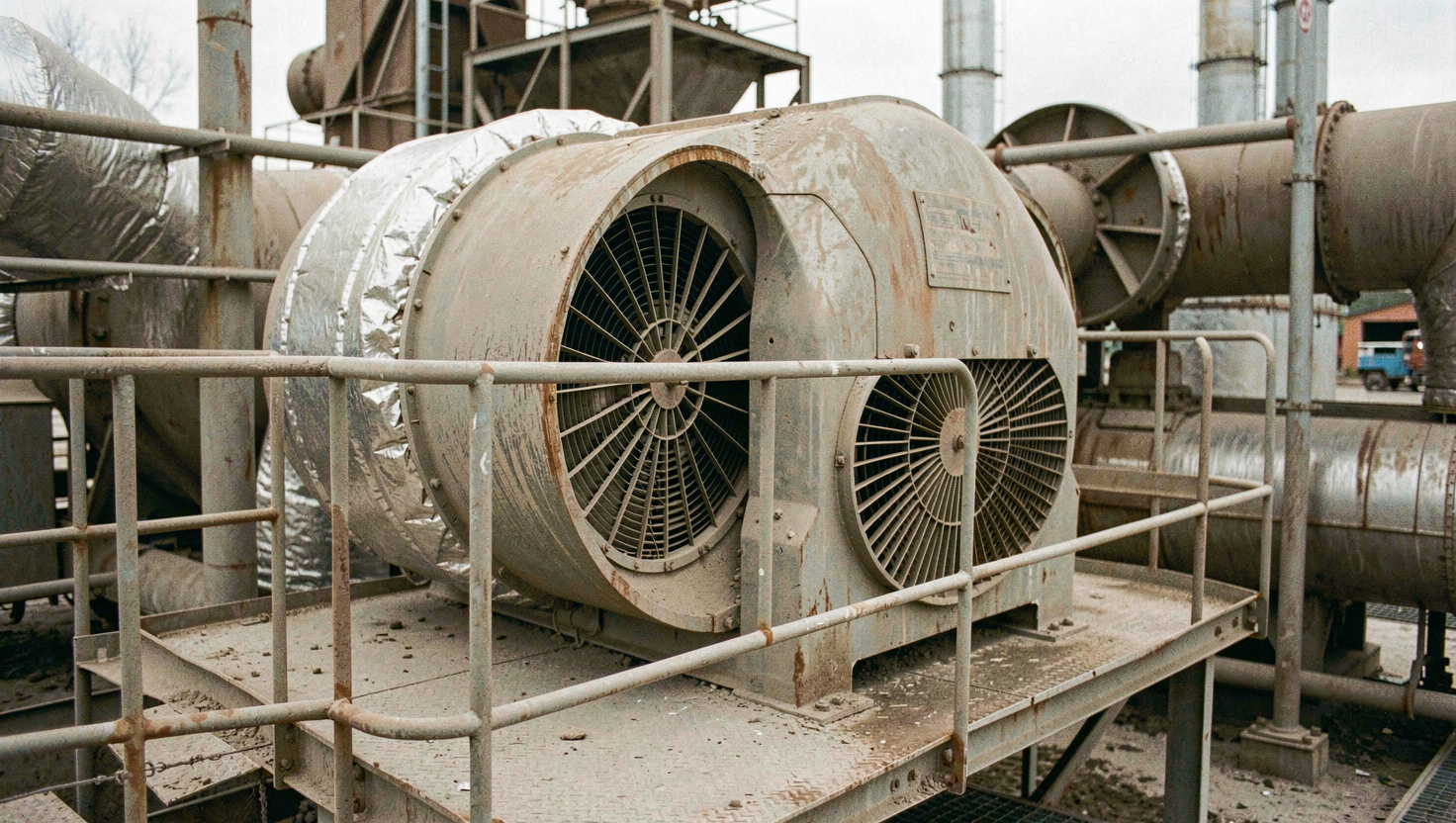
A retrofit where the foundation, the ductwork, the noise limit and the shutdown window are all fixed before the specification starts. Airflow per tonne of sinter, a tolerance that has to be measurable, and 8,000 hours of duty a year.

Sized against a fuel rather than a duct, at pressures between 8 and 25 kilopascals. An undersized machine does not raise a low airflow alarm, it produces carbon monoxide and soot that get blamed on the refractory for months.
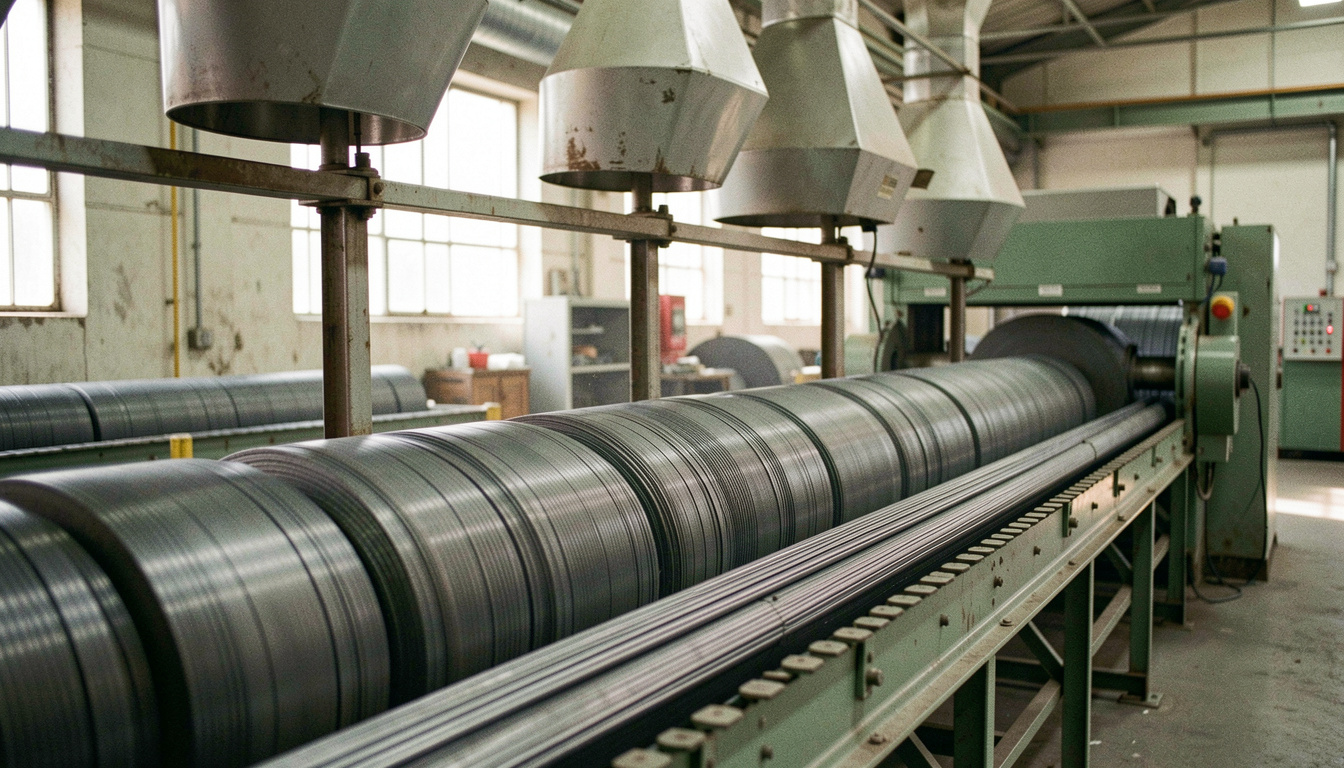
The blowers under the conveyor are the instrument that controls the metallurgy of the finished coil. Why an evenly distributed airflow cools the rings unevenly, and what quietly changes the distribution after commissioning.
Genset Digest is written around machines, not around markets. A page is worth publishing when it explains a decision that a specifier, a buyer or a maintenance engineer actually has to make: which duty rating to buy, how many steps to split a load into, when a fan stops being the right machine for a duty, what to keep in the spares cabinet on a site four hours from the nearest dealer.
The engine platform files, from the Cummins page to the Shangchai page, follow the same plan every time: engine families used in generating sets, the electrical output ranges they cover, the maintenance intervals published for them, and the points that come up repeatedly in service. The profiles in Case Studies describe requirements by equipment and building type rather than naming sites, because the requirement is the part that transfers, and the export-market versions of those constraints sit in the international case studies.
Two rules hold everywhere. Figures are attributed to the standard or the manual they come from, and units are given in full. Where a number depends on ambient temperature, altitude or fuel specification, the condition is written next to it, because that is exactly where most disputes over a machine begin. What this publication covers sets out the rest.
New observations on generator sets, process air and field documentation.
Six pages the magazine keeps going back to. Each is re-read against the standard, the engine manual or the load list it argues from, corrected when a clause or an interval moves, and linked wherever the same question comes up again.
 Resources
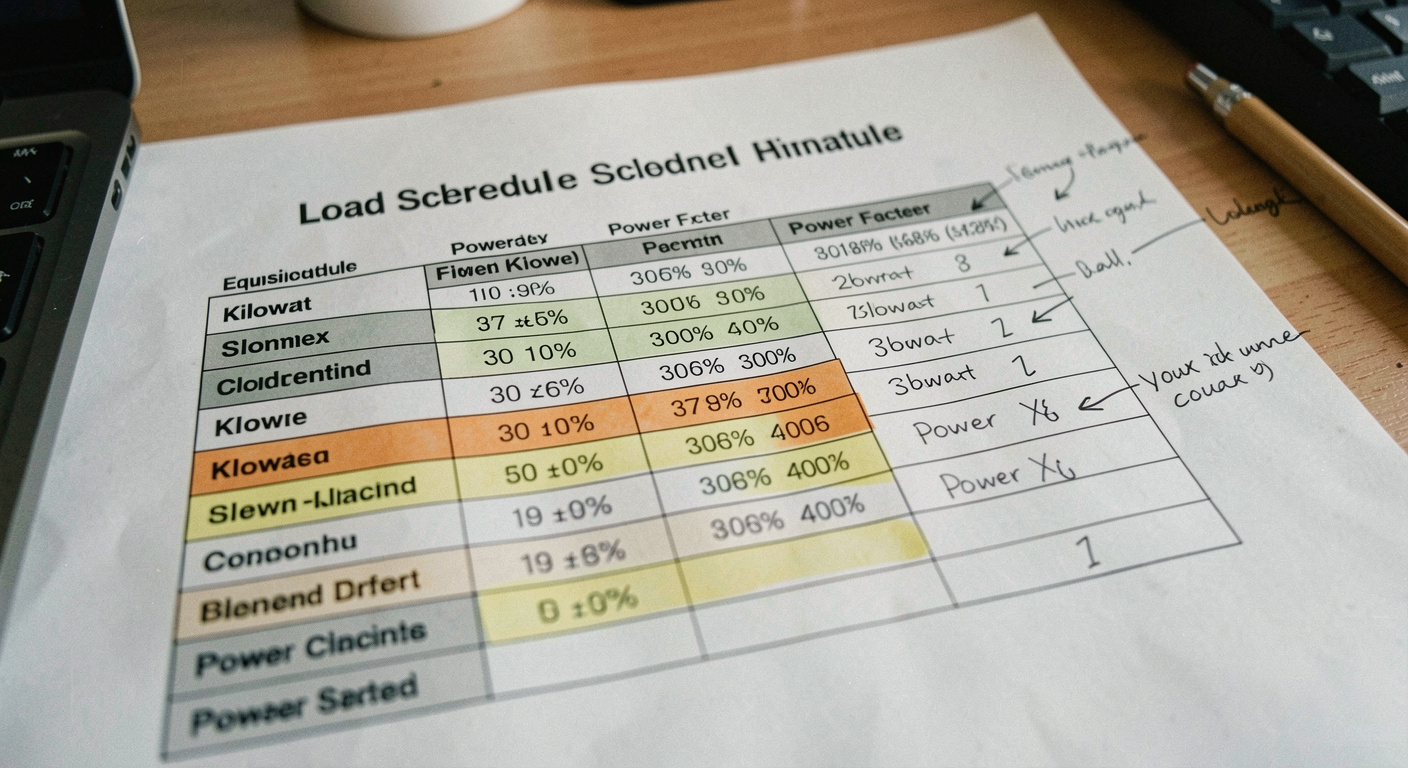
The one calculation a buyer should always produce themselves: the load list, the motor starting transients and the derating corrections that decide the frame size before anyone is asked for a price.
Read the method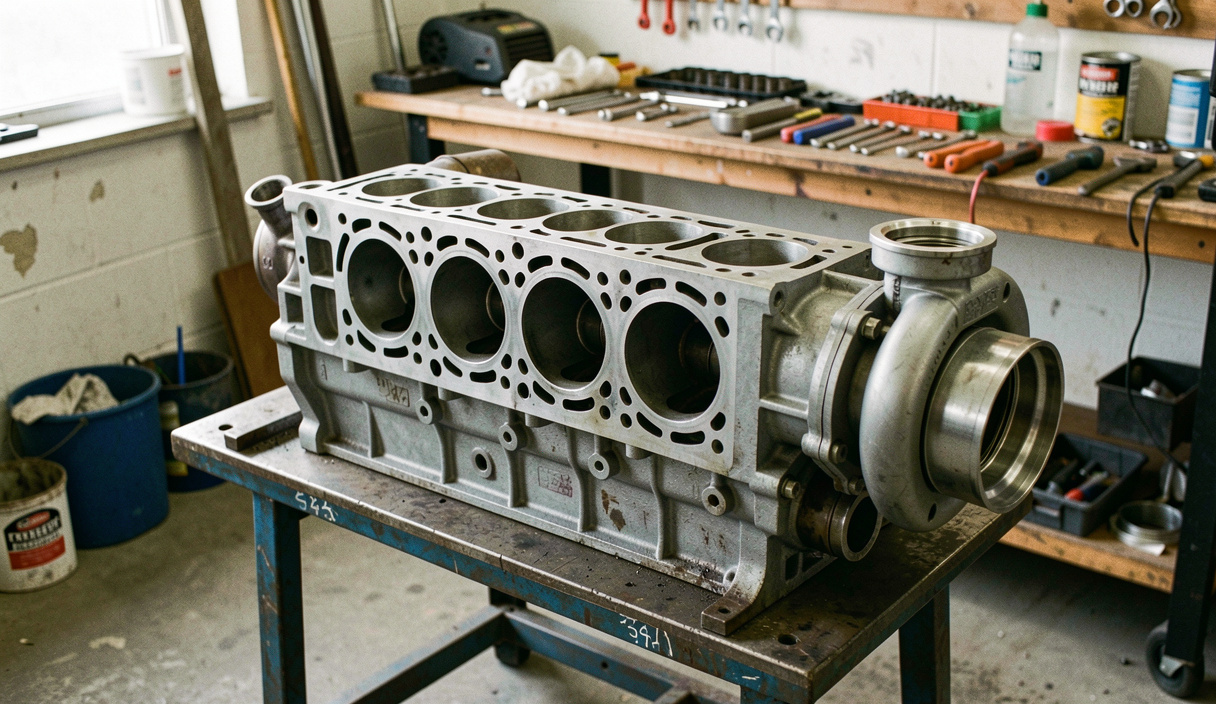 Engine file
The series code on the block, B, C, L, NT, K or QSK, predicts the power band, the service interval and how tolerant the engine will be of the fuel in the tank.
Read the engine file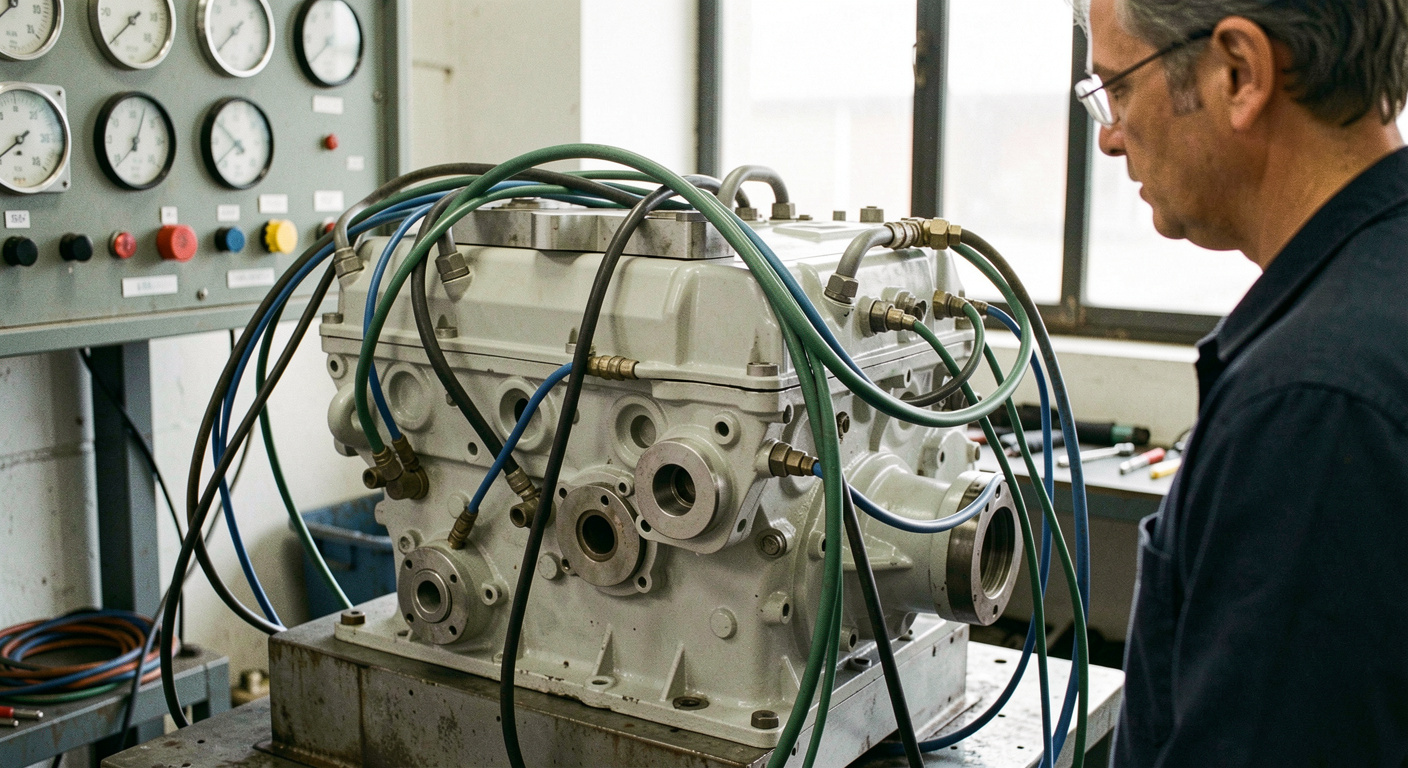 Maintenance
The first sixty hours of staged running bed the piston rings into the cylinder honing, and how that period is run decides the oil consumption for the rest of the machine's life.
Read the guide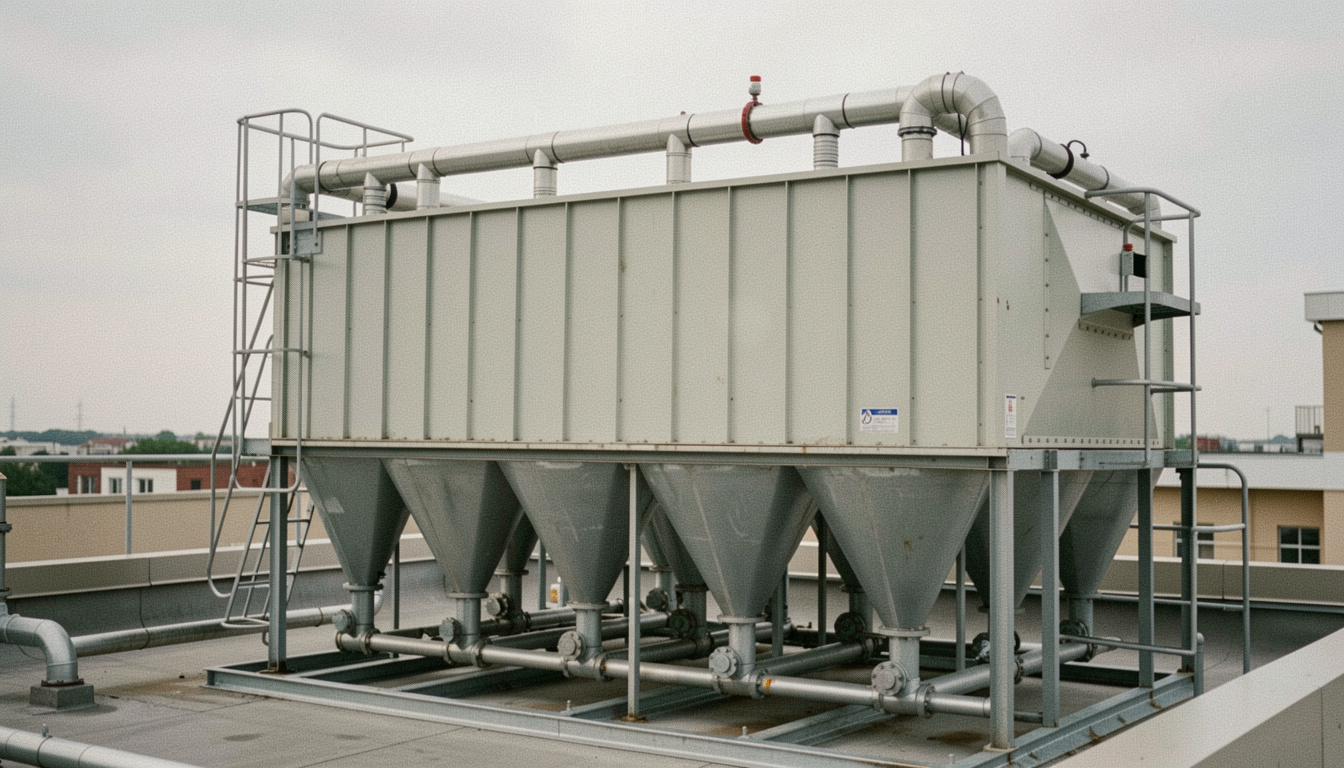 Blowers
Sized by the circuit it serves from capture hood to stack: where the pressure goes, how the filter's share rises across the bag life, and why wear becomes an imbalance problem before it becomes a hole.
Read the article Maintenance
Overheating is treated as a cooling problem and frequently is not; a load imbalance across the three phases heats one winding for months without an alarm. The electrical causes separated from the thermal ones, in the order to check them.
Read the guide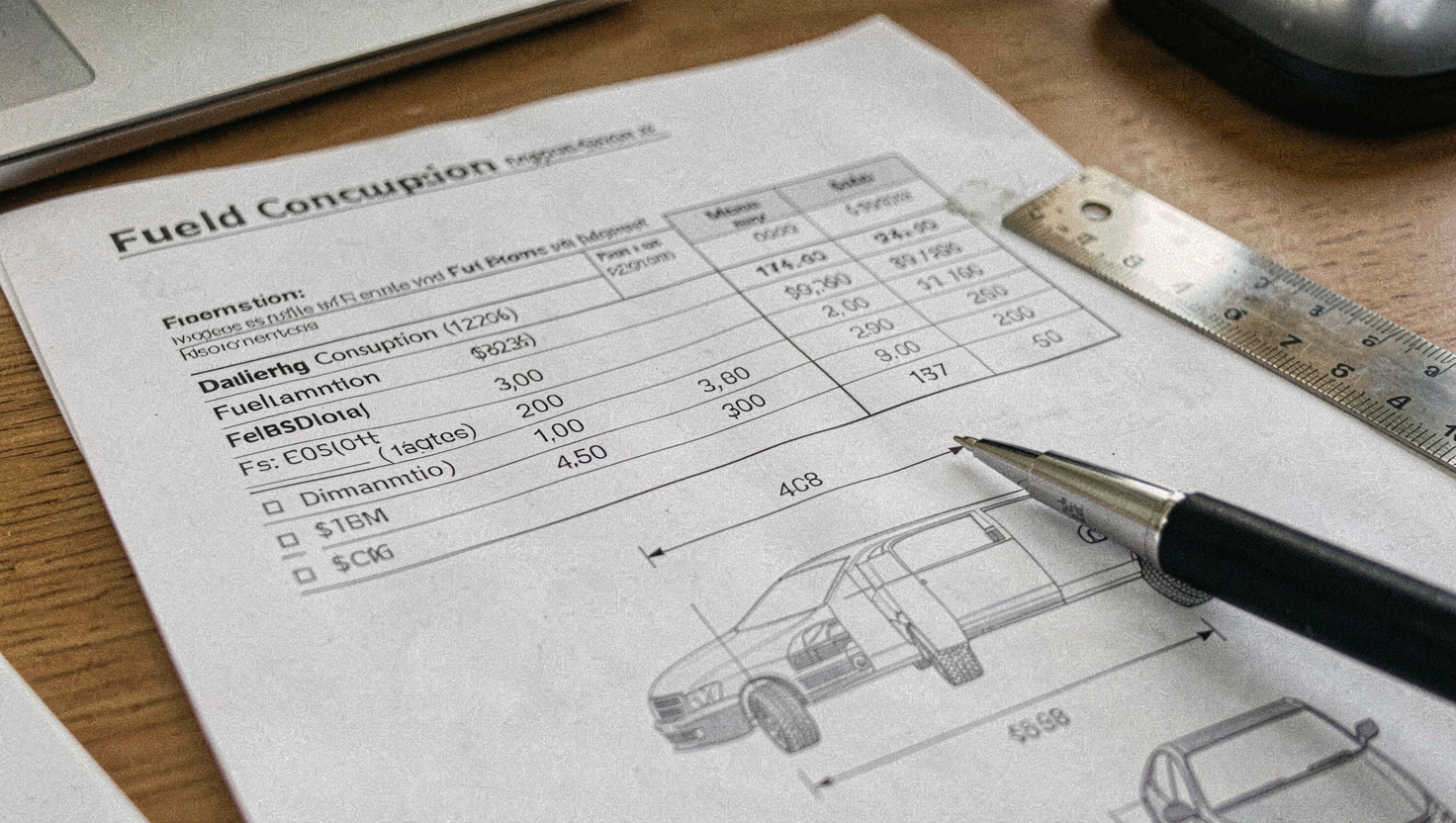 Datasheets
Almost everyone reads a datasheet in the wrong order, from the headline output down. This page starts at the reference conditions in the small type at the bottom, where the meaning of the numbers actually lives.
Read the page