Section index · industry news · August 18, 2026
Industry News
News in this trade is rarely sudden. What changes is the specification: which duty class ends up in a tender, whether a project reserves a generator room at design stage, and what an emission rule allows to be installed.
This section covers those changes from the specification end. The export-facing version sits in the international news section.
News in this trade is rarely dramatic and almost never sudden. What changes is the specification: which duty class gets written into a tender, whether a project reserves space for a generator room at design stage or fights for it later, how long a grid connection takes, and what an emission rule allows to be installed. Those changes move slowly and then govern everything for a decade.
This section covers them in short form, and it covers them from the specification end rather than the press release end.
What is actually changing
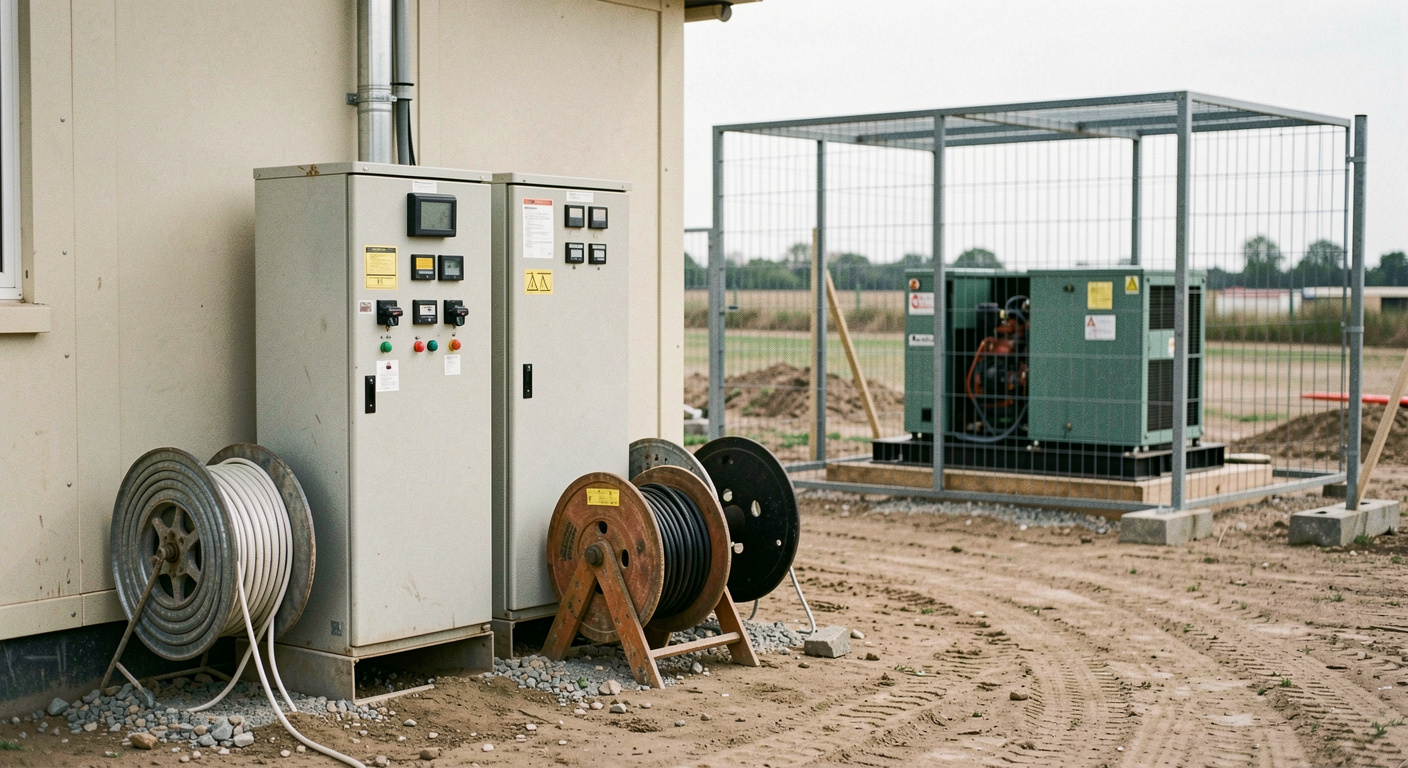
Three structural shifts show up repeatedly in current specification work. Grid connection lead times have become a project planning constraint rather than an administrative step, which pushes more projects toward on-site generation for longer than they intended. Emission frameworks continue to separate mobile machinery from stationary generating plant, with different rules for each, which makes the intended application part of the purchase decision rather than an afterthought. And hybrid arrangements, where a battery system covers short interruptions and a diesel set covers long ones, are appearing in briefs that would have specified a single machine a few years ago.
The last of those changes the duty profile more than the equipment. A set that starts only for extended outages runs fewer, longer runs, which is metallurgically better for the engine than the frequent short runs described in the load bank testing guide, and worse for the assumption that the machine is exercised regularly.
Where demand is coming from
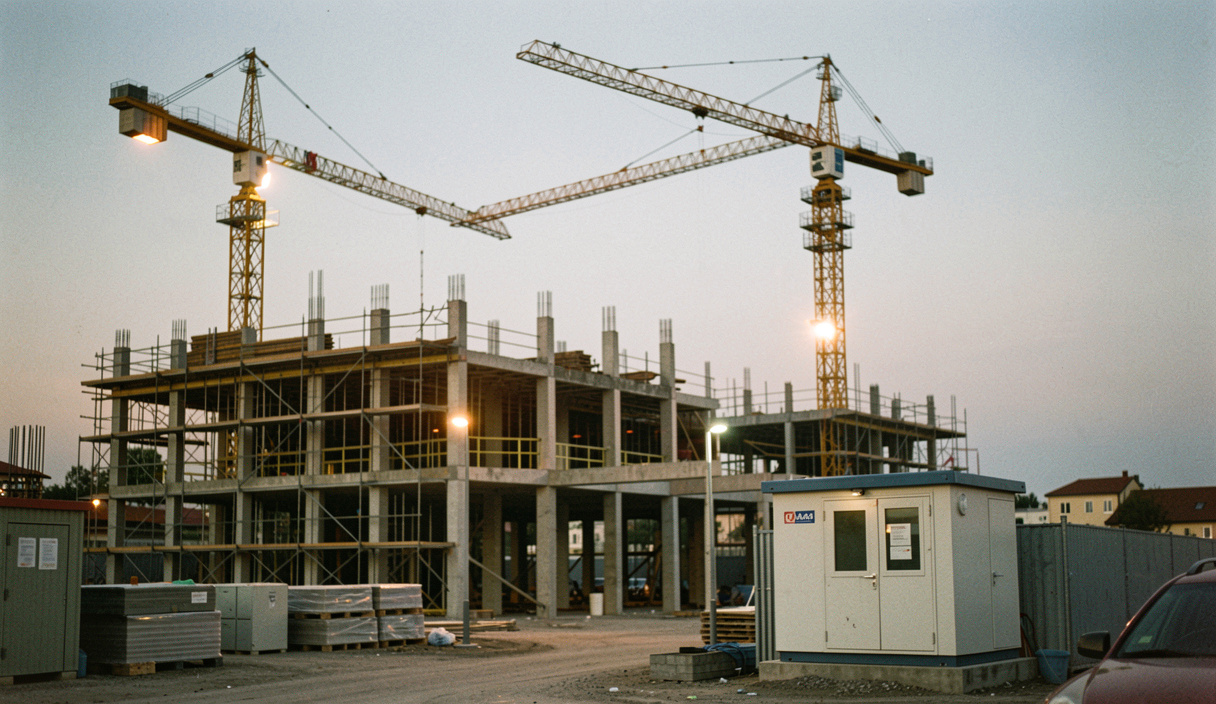
The lead story in this section looks at construction, where standby power is increasingly specified from the outset rather than added once the electrical intake proves inadequate. Standby power demand in construction projects sets out why the timing of that decision changes both the cost and the technical outcome.
On the process air side the pattern is different: demand follows efficiency retrofits rather than new build, because a fan running 8,000 hours a year is where an energy saving actually exists. The economics of that are worked through in the dedusting blower page, where the control method matters more than the machine.
A demand figure without a definition is as useless as a kVA figure without a duty class. Ask what is being counted, over what period, in which market, and by whom. This section covers trends where the specification consequence is clear, and leaves the rest alone.
The sectors that keep appearing
Four kinds of site account for most of the standby specification work visible at the moment. Data halls and communications facilities, where the load is continuous, dense and intolerant of interruption, and where the sizing exercise is dominated by cooling plant rather than by IT load. Healthcare, where transfer time and fuel autonomy are set by the criticality of the circuits rather than by preference. Water and wastewater plants, where the essential load is mostly motors and the starting sequence therefore governs the frame size. And construction, which is covered as the lead story in this section.
What these have in common is that the machine is sized by something other than the total connected load: by a starting transient, by a transfer time, or by an ambient condition. That is exactly why the sizing method spends more space on the motor starting check than on the running kilowatts.
Process air news is efficiency news
On the industrial air side there is very little that resembles product news, and a good deal that resembles energy accounting. A large fan running continuously is one of the few places in a plant where a control change produces a measurable annual saving, which is why retrofit activity concentrates on drives and control methods rather than on impellers. The arithmetic behind that, and the reason a damper is the most expensive cheap option available, is set out in the industrial blower section.
What this means for a specifier
Two habits carry most of the value. Write the intended annual running hours into every enquiry, because that single line decides the duty class and therefore the size of the machine. And decide the application category early, standby, prime or continuous, because it determines which emission framework applies and what may legally be installed.
Both of those questions are answered with the duty class vocabulary set out in the generator set section, and both end up documented in the paperwork described in the certification and standards page. For export-facing developments, the same trends look different, and they are covered separately in the international news section.
Read next
Two longer reads sit behind the news list: the seasonal buildings profile and hydrogen, fuel cells and the diesel set.
The current lead story is standby power demand trends in construction projects, on why the timing of the decision changes the technical outcome.
For the export-market view of the same specification questions, see international news.
For the vocabulary any of this depends on, duty classes and derating, start at the generator set section and the sizing method.
Latest technical notes
Recent additions to the industry news desk.