Section index · case studies · July 15, 2026
Case Studies
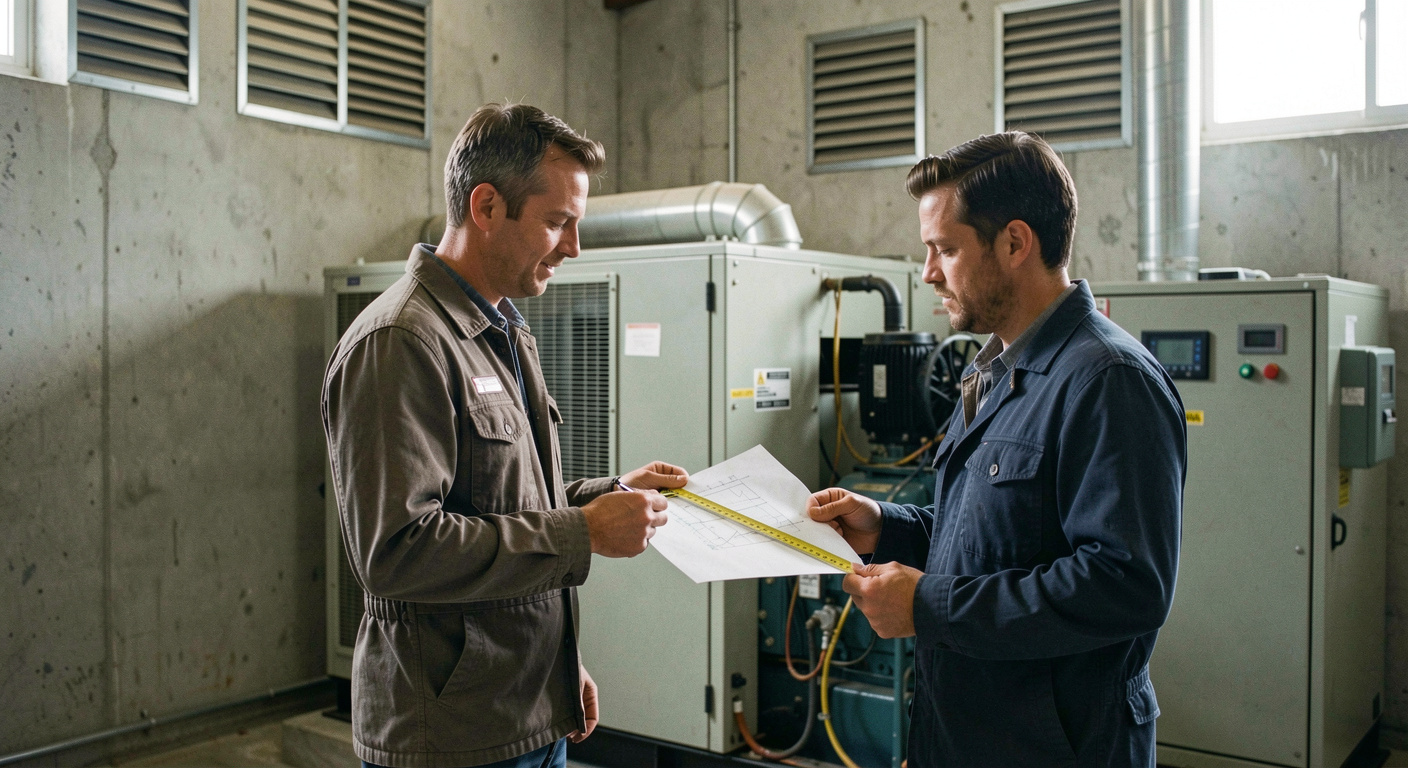
These profiles are organised by equipment type rather than by client, because the requirement is the part that transfers between sites and the name of the building is not.
Each one sets out the constraints an installation class starts from, the decisions that follow, and what goes wrong when a constraint is discovered late. The export-market profiles sit in the international case studies section.
The case studies in this magazine are organised by equipment type rather than by client, for a simple reason: the requirement is the part that transfers. What a standby set in a hospital basement has to satisfy, transfer time, fuel autonomy, ventilation, exhaust routing, is the same whether the building is in Lyon or in Lagos. The name of the site is the least useful piece of information in the file.
Each profile therefore describes a class of installation: the constraints it starts from, the decisions that follow, and the mistakes that get made when one of the constraints is discovered late. Three equipment families organise the section.
Standby generating installations in buildings
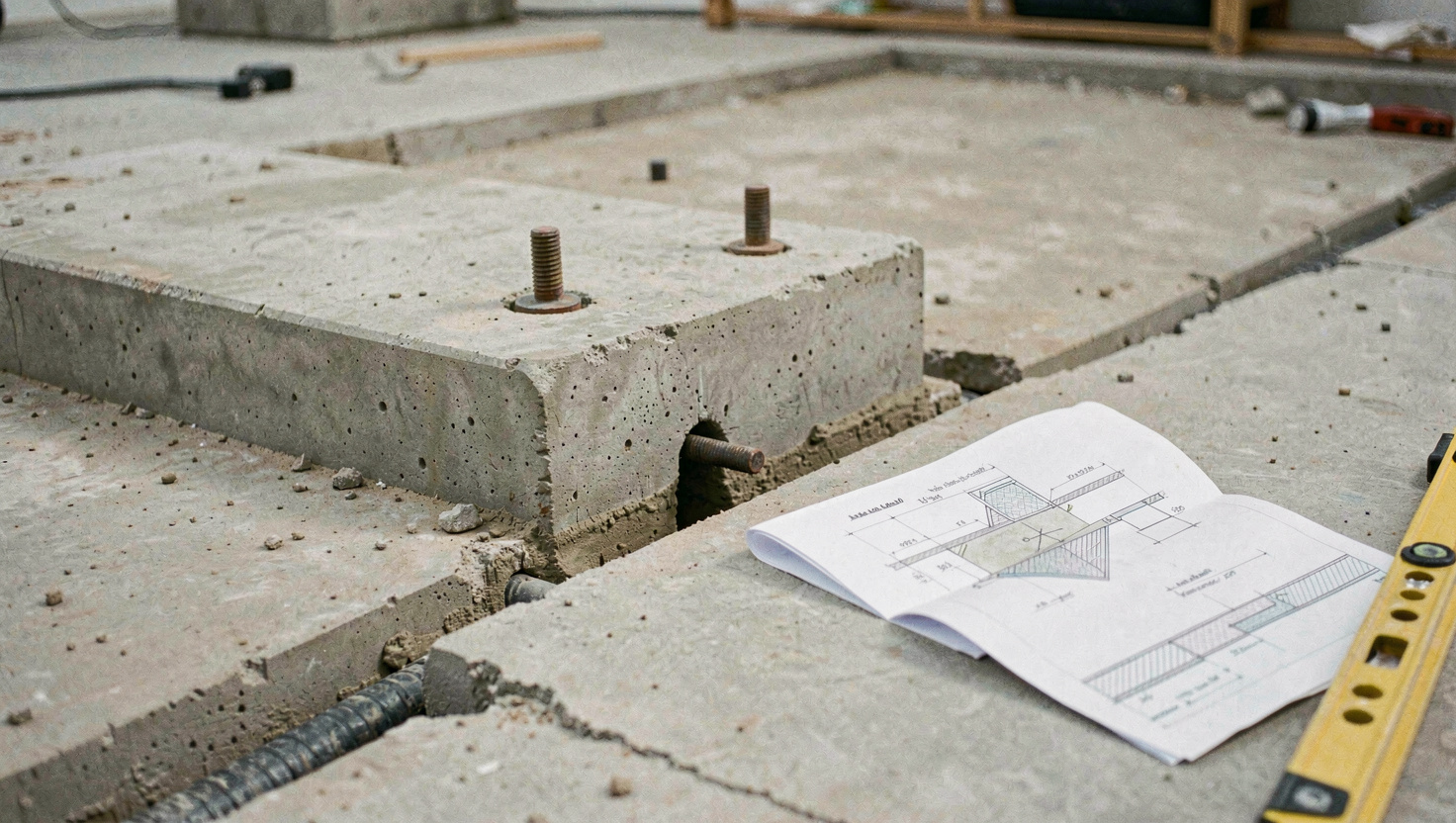
A building standby set is defined by four constraints before any brand enters the conversation. The transfer time the load can tolerate, which for life safety systems is typically measured in seconds. The fuel autonomy required on site, commonly 8 hours at full load in a base tank with a bulk tank behind it. The ventilation the plant room can actually deliver, which is where basements fail. And the exhaust route, which has to reach a discharge point that satisfies both the pressure limit of the engine and the noise limit of the neighbours.
The fourth is the one most often discovered late. Every metre of exhaust pipe and every bend adds back pressure, and engine makers publish a maximum that is not negotiable. A route that has grown by two extra bends during construction can put a new set outside its own specification on the day it is commissioned. The load side of the same problem, proving the machine actually delivers under real load, is covered in the load bank testing guide.
| Installation class | Defining constraint | Usually decided by |
|---|---|---|
| Building standby | Transfer time and ventilation | The plant room, not the engine |
| Prime power on site | Fuel logistics and service access | Distance to the nearest dealer |
| Paralleled standby | Load sharing and synchronising | The controller and the switchgear |
| Process cooling fans | Airflow uniformity | The plenum and the ductwork |
| Dedusting plant | System resistance and wear | The filter and the dust load |
Prime power installations
Where a set is the primary source rather than the backup, everything shifts. Running hours move from tens per year to over a thousand, so the service interval governs the operating plan. Fuel logistics become a permanent function rather than an occasional delivery. And the spares held on site stop being a nicety: a site four hours from the nearest parts counter needs filters, belts, hoses and at least one injector on the shelf.
The engine platform choice is driven by the same logic, which is why the platform pages in the generator set section all end on the parts network question rather than on the specification. In export markets the calculation shifts again, and those profiles are collected separately in the international case studies section.
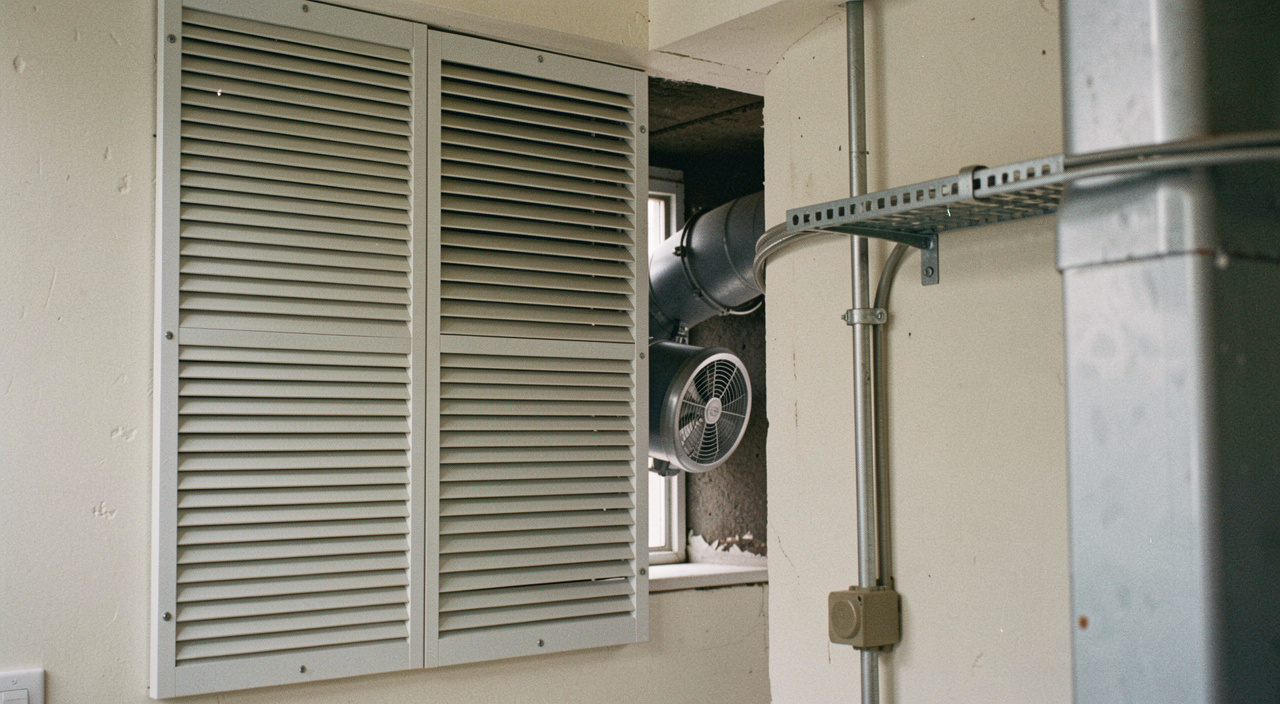
Ventilation, exhaust route, fuel route and cable route are building decisions. They should be settled before a machine is selected, because a set chosen first will be squeezed into whatever the building allows, and the squeeze always costs output.
Process air installations
The blower profiles work the same way. An aeration or cooling duty is defined by the process it serves and by the resistance of the circuit around it, and the machine is the last thing chosen rather than the first. Where a fan has to be retrofitted into an existing plant, the constraint list grows to include the physical envelope, the existing foundations, the existing noise limit and the shutdown window available to install it.
That combination, an existing plant with a fixed envelope and a fixed shutdown, is the hardest brief in the section, and it is worked through in detail in the sintering machine loop cooling blower profile. The general sizing discipline behind it sits in the dedusting blower page.
How to use these profiles
Read the profile that matches the class of installation, then take the constraint list into the specification rather than the equipment list. A brief written as constraints, rated output at the site ambient, transfer time, autonomy, noise limit at the boundary, service access, produces comparable quotations. A brief written as an equipment list produces quotations that cannot be compared at all.
The figures those quotations should contain, and the format they usually arrive in, are set out in the technical documentation library.
Read next
For a domestic-scale profile, the rural house standby guide shows what the same questions look like at a single property.
Two further profiles cover the shell and the paperwork: the building around the set and siting on an industrial estate.
For the export-market view, where climate and shipping change the brief, start with the international case studies hub.
For a complete worked brief on a process air retrofit, read the sintering machine loop cooling blower profile.
Before writing a specification, the sizing method turns a load list into a defensible kVA figure, and the maintenance section shows what the installation will ask for once it is running.
A site whose loads are largely external is profiled in ground power at an airfield.