Genset Digest / Maintenance & Operation Guides / The unattended machine's discipline
The unattended machine's discipline: what a standby set shares with a vending unit
An unattended machine is a promise kept by a routine. Nobody watches it work; somebody owns the schedule that makes it work anyway. The standby set and the vending machine are the same problem at different scales: the machine must be ready on the day nobody planned for.
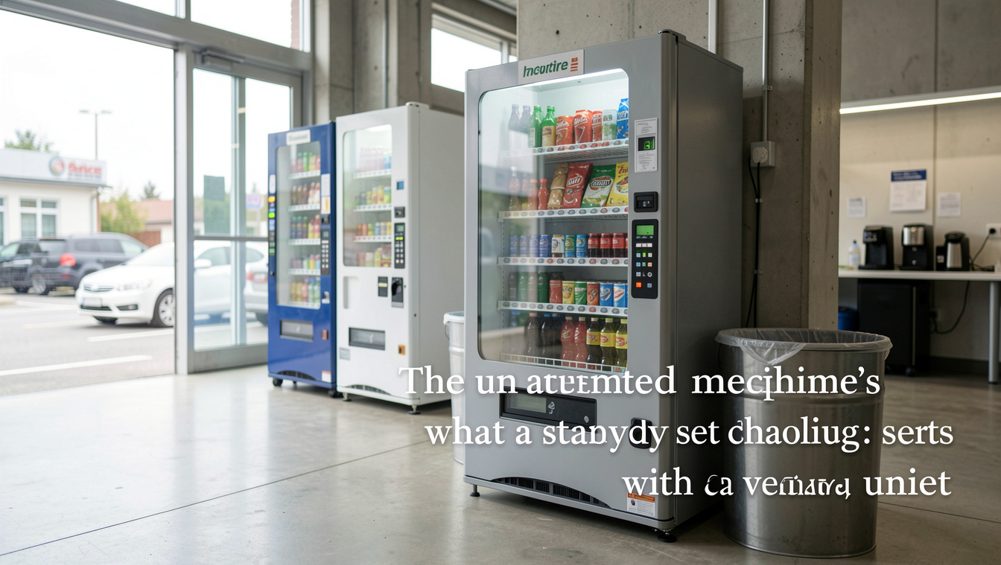
Standby power is the extreme case of an unattended machine: it sits silent for months and must perform flawlessly in the one hour that matters. A quieter relative teaches the same lesson on a shorter cycle. The vending operator's discipline, machine selection, siting, food-safety temperatures, cleaning, payment systems, energy labelling and a checklist before commissioning, is laid out in vending machine upkeep, a Dutch-language practical guide to choosing, installing and running snack and drinks machines in the Netherlands. Strip away the snacks and what remains is the operating manual for any machine that has to work unstaffed.
What unattended actually means
It means the checklist carries the vigilance. An unstaffed machine cannot smell a hot bearing or hear a new rattle, so the routine has to do it: defined inspections at defined intervals, with defined things to look at. For the set this is the weekly walk and the monthly exercise; for a vending unit it is the temperature check, the date check and the clean. In both cases the inspection exists because the machine cannot report for itself, and the entry in the log is what turns a glance into evidence.
Why does the trail matter more when nobody is there?
Because the machine's only witness is its record. A vending unit keeps its payment and error trail; a standby set keeps its exercise log, its alarm history and its service sheets. When the unattended machine fails, the trail is the entire explanation: when it was last checked, what was found, what was due next. That is the same evidentiary logic behind the printed record and the archive behind it in the digital file guide.
The less often a machine is watched, the more strictly its checks must be scheduled and recorded. Autonomy is bought with routine, not with optimism.
Alarms, telemetry and the call that should exist
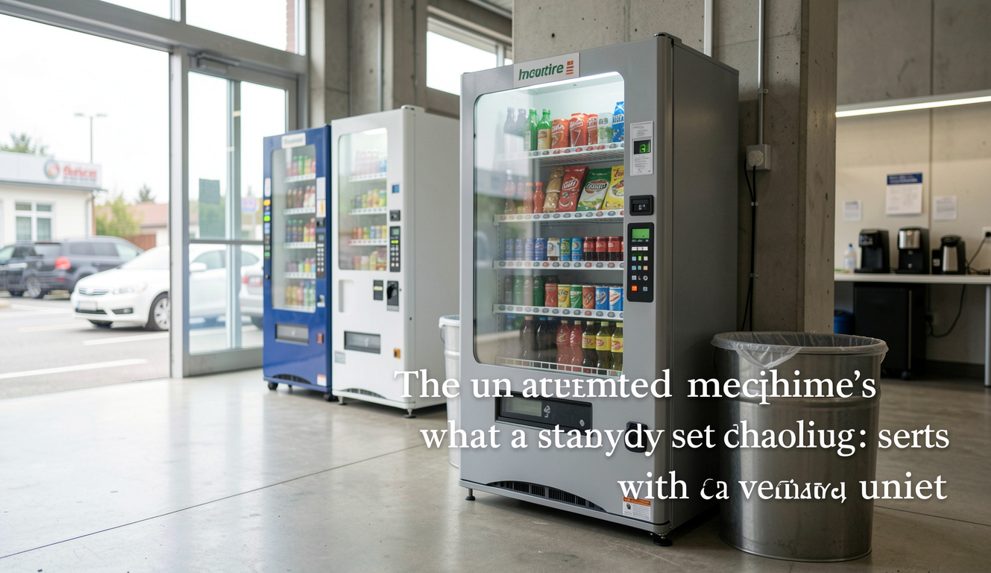
An unattended machine that cannot call for help is only half unattended. The vending operator learns the unit is empty or warm from a report; the set's owner should learn of a failed exercise, a low fuel level or a battery charger fault the same way, by a message rather than by discovery. Remote alarm monitoring is what converts a monthly visit into continuous coverage, and it belongs in the specification of any set sited beyond daily reach.
Commissioning the routine
Both trades end the same way: a pre-service checklist. Before the machine is left to itself, the siting is confirmed, the supply is proven, the checks are written down, the intervals are set and the person who owns the routine is named. On the genset side that commissioning is formalised in the test and the acceptance file covered in the standards and documents page; on the vending side the same structure is simply smaller. The scale differs. The discipline does not.
Energy and housekeeping on the quiet machine
An unattended machine still pays for its electricity and its cleanliness. The vending operator tracks consumption and keeps the unit clean because both are costs and both are duties; the standby set's equivalents are the block heater's draw, the battery charger's health and the enclosure kept free of the debris that a season deposits. Housekeeping is not cosmetic on an unstaffed machine: a blocked vent or a bird nest is a fault with feathers.
Food safety has its plant parallel too. The vending unit's temperature checks and date codes are about not serving what has degraded; the set's fuel testing and coolant checks are the same rule in another medium. Anything the machine stores for months, fuel, coolant, the charge in the battery, is a stock item with a shelf life, and the unattended discipline is mostly the discipline of managing stock that quietly ages.
Contracts split the responsibility the same way in both trades. The vending machine's franchise or service agreement says who fills, who cleans, who answers the fault call; the set's maintenance contract says who services, who responds, and within what time. On an unattended machine the response clause is the contract, because the machine itself cannot chase. A four-hour response on paper and a four-week response in practice is the gap the review meeting exists to catch.
What both disciplines converge on is that unattended operation is a system, not a machine. The unit, the schedule, the alarm path, the contract and the named owner are one thing, and a weakness in any of them is a weakness in the whole. The sites that get away with unstaffed plant are not the ones with the best machines; they are the ones with the most boring routines.
The lesson that survives both trades is the simplest: the machine that is checked on a schedule fails politely, with a finding and a fix; the machine that is trusted fails rudely, at the hour it was needed. Unattended plant is not a gamble that usually pays. It is a routine that always does.
The vending operator and the genset owner are, in the end, running the same shop: a machine that must perform on demand without anyone watching it practise. The ones who succeed at it are the ones who never forgot that unattended means watched on a schedule.
Sources
Read next
When the mains fails, the unattended set runs its own start sequence: what starts when the mains drop follows it step by step.
For the checks that fill the routine, see the maintenance section, and for the record that proves them the printed record guide.